




Abrasive Waterjet Cutting: How It Works and What Affects Cut Quality
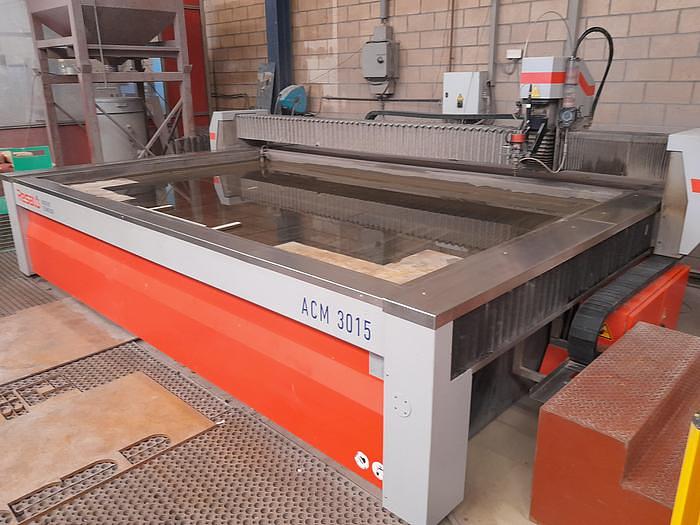
Abrasive Waterjet Cutting: How It Works and What Affects Cut Quality
A waterjet cutting machine uses a high-pressure stream of water to cut material. When abrasive is added to the stream, the process can cut metals and other hard materials without using heat to melt them.
That makes abrasive waterjet cutting useful for a range of sheet metal and industrial applications. The result still depends on the material, machine setup, cutting speed and condition of the cutting head.
How does abrasive waterjet cutting work?
A high-pressure pump sends water through a small orifice in the cutting head, creating a narrow, fast-moving jet. For abrasive cutting, abrasive material—commonly garnet—is drawn into the head and mixed with the water. The combined stream erodes the material along a programmed path.
The water and spent abrasive then fall into the machine’s catch tank. The system typically includes a high-pressure pump, cutting head, abrasive delivery, CNC controls and a tank to collect the water and cutting residue.
Pure waterjet or abrasive waterjet?
The right setup depends on the material.
**Pure waterjet cutting** uses water without abrasive. It is generally used for softer materials such as foam, rubber, gaskets, textiles and some plastics.
**Abrasive waterjet cutting** adds abrasive to cut harder materials such as steel, aluminium, stainless steel, glass, stone and composites. The right material thickness and cutting settings depend on the machine configuration and the quality and speed required.
Why use a waterjet?
Waterjet cutting is a cold-cutting process. It does not cut by melting the material, so it avoids the heat-affected zone associated with thermal cutting processes. This can be useful when heat distortion or changes to the material at the cut edge are a concern.
The process is also versatile: an abrasive waterjet can work with different materials without changing to a completely different cutting technology. The narrow jet can produce detailed shapes, while the low cutting forces can make fixturing simpler for some parts.
These benefits do not mean every waterjet cut is automatically ready for final use. The required edge finish and dimensional accuracy depend on the application and cutting parameters.
What affects waterjet cut quality?
Several factors influence the finished edge:
- **Material and thickness:** Different materials respond differently to the jet and abrasive. Thicker material generally requires different cutting settings and may take longer to cut.
- **Cutting speed:** Higher speed can increase output, but may affect edge finish and taper. Slower settings may improve quality, depending on the job.
- **Abrasive flow:** The abrasive type and feed rate affect how material is removed and the operating cost per cut.
- **Cutting head condition:** The orifice and mixing tube wear over time. Their condition can affect the jet and cut consistency.
- **Taper and geometry:** The jet can create a slight angle through the material, known as taper. The amount varies with material, thickness, speed and part geometry. Cutting software or a tilting head may compensate for taper where the application requires it.
The best settings balance the edge quality, accuracy, cutting time and consumables required for the actual part.
What should you consider when evaluating a waterjet machine?
Start with the work you plan to cut. Check the table size, materials and thicknesses, pump specifications, number and type of cutting heads, CNC controls and abrasive delivery system.
Also consider the supporting equipment and operating requirements: water treatment, abrasive storage, residue handling, maintenance history and the availability of replacement parts. A machine’s maximum cutting capacity alone will not tell you whether it fits your day-to-day production.
Waterjet cutting can be a strong option when your work requires material flexibility or a process that avoids thermal cutting effects. The right choice comes from matching the machine and its configuration to the parts you need to produce.
