


How to Choose a Press Brake: Tonnage, Bending Length and Tooling
How to Choose a Press Brake: Tonnage, Bending Length and Tooling
Choosing a press brake is about more than selecting a machine with enough tonnage. The right machine must suit the material, part dimensions, production mix, tooling and accuracy your workshop needs.
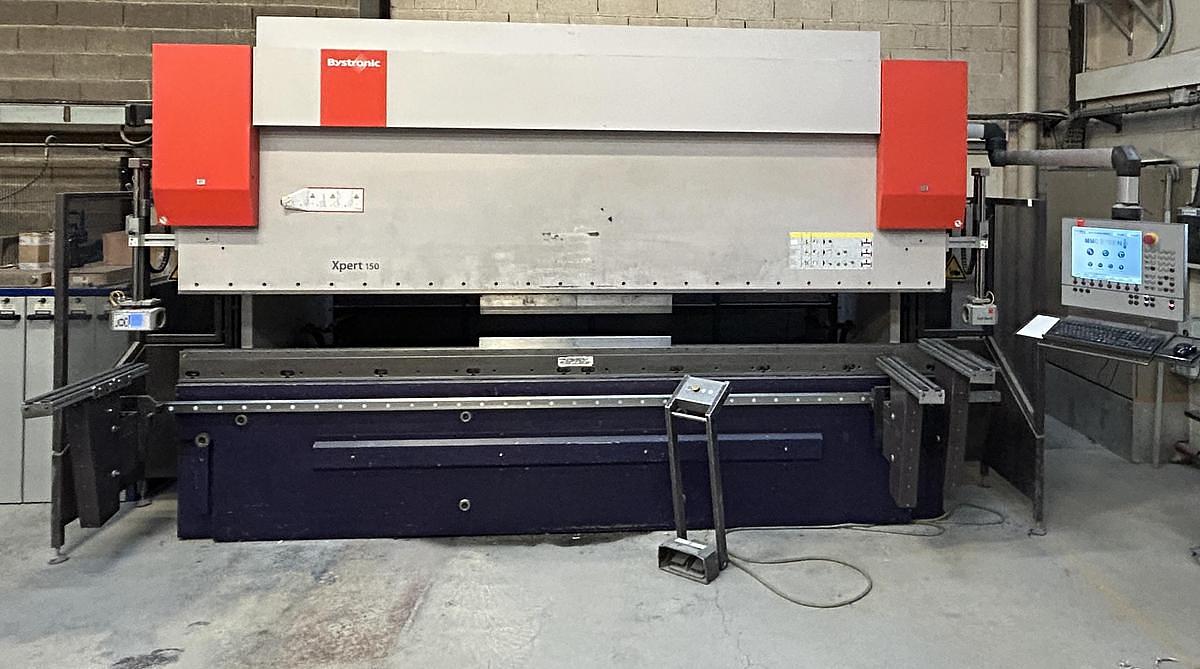
A press brake forms sheet metal by pressing it between a punch and a die. The result depends on how the machine, tooling and material work together. Here are the main factors to consider when comparing press brakes.
## 1. Start with the parts you produce
List the materials, thicknesses, lengths and bend types that make up your regular work. Include the largest or most demanding parts, but also consider what you produce most often.
A machine selected only for occasional maximum-capacity work may be larger than your day-to-day production requires. One selected around the average job may not handle important larger components. Your production mix helps define the right balance.
## 2. Match tonnage to the application
Tonnage is the force the press brake can apply. The force required depends on factors such as material type, thickness, bend length, die opening and the bending method.
A thicker or harder material, or a longer bend, generally requires more force. The exact requirement should be calculated for the material and tooling involved. Do not compare machines by tonnage alone: the working length and the machine’s condition also affect whether it can perform the job reliably.
## 3. Check the working length and machine geometry
The bending length indicates the maximum width the machine can bend in one operation. Compare it with the dimensions of your parts and the way they need to be positioned.
Also check the distance between the side frames, daylight, stroke and throat depth. These dimensions affect whether the workpiece and tooling can be set up as required. A machine may have sufficient tonnage and working length but still not accommodate a particular part or tool arrangement.
## 4. Treat tooling as part of the machine choice
The punch and die influence the bend angle, radius, achievable shapes and required force. Check which tooling system the machine uses and what tooling is included.
Confirm the tooling is suitable for your materials and parts, and that the sections you need are available. Tooling can also affect how quickly operators change between jobs. When evaluating a used press brake, ask for a clear list of included tooling and verify its condition.
## 5. Consider the CNC control and backgauge
The control system, backgauge and available axes shape how efficiently the machine can handle your production. More axes can provide additional positioning options, but the useful configuration depends on the parts you make and the operator workflow.
Consider the programs you need to run, the skill level of operators, and whether the control is familiar to your team. A capable control is most valuable when its functions support real production requirements.
## 6. Look at the full production setup
A press brake operates as part of a wider process. Consider loading and handling, operator access, safety equipment, floor space and how bent parts move to the next operation.
For a used machine, review the machine’s condition, documentation, service history, included equipment and availability for inspection. If possible, assess it under power and discuss representative parts or bending requirements.
## A practical press brake selection checklist
Before comparing machines, prepare:
- The materials and thicknesses you process
- Typical and maximum part dimensions
- Required bending length and force
- Tooling system and tooling needs
- CNC and backgauge requirements
- Workshop space, handling and installation needs
- Condition, documentation and inspection questions
The best press brake is the one that fits your actual work and production plan. Looking at tonnage, working length, tooling, control and machine condition together gives you a more useful basis for comparison.
Explore Fused Machinery’s press brake category:
https://www.fusedmachinery.com/metal-machinery/press-brakes
For a broader overview of buying used industrial machinery, read:
https://www.fusedmachinery.com/blog/95902-buying-used-industrial-machinery-what-should-you-look-for
