


Injection moulding explained: from plastic granules to finished part
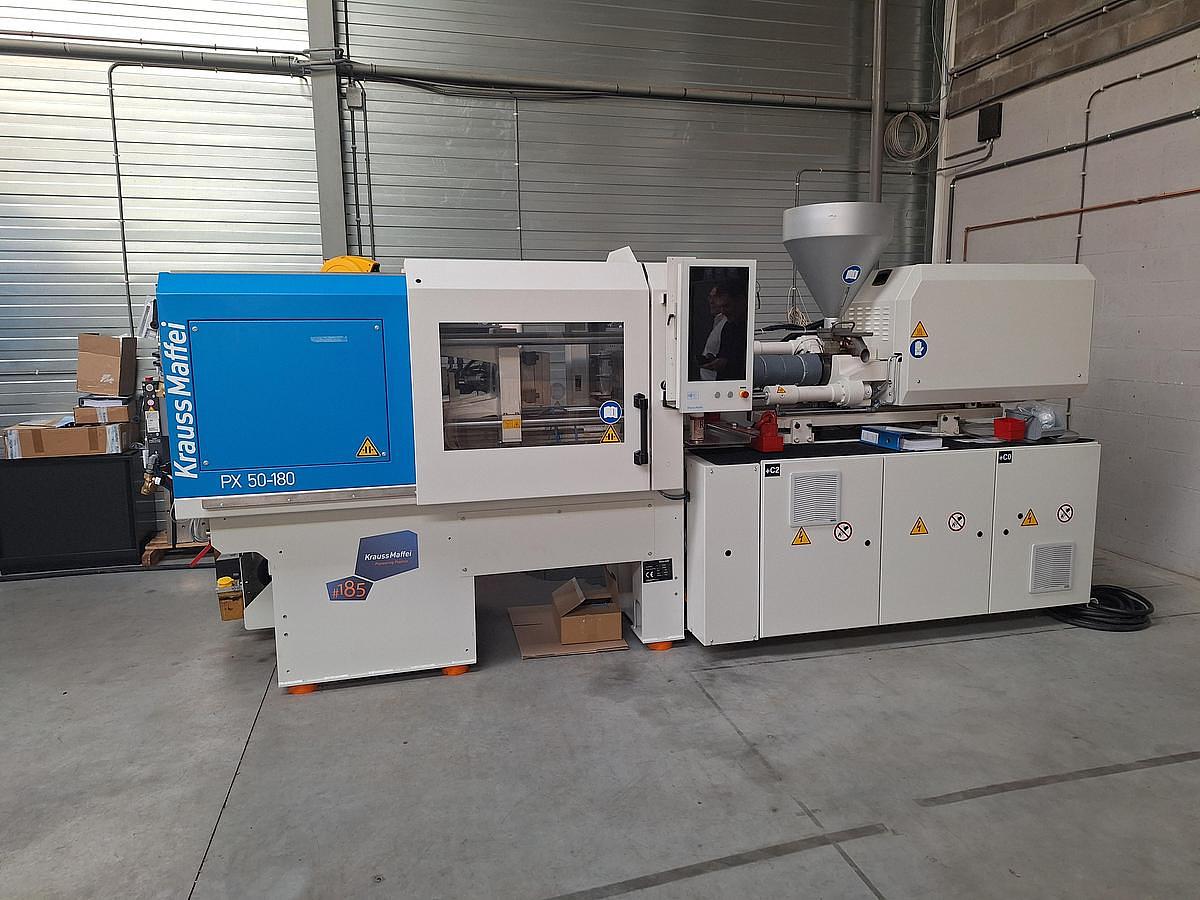
Injection moulding is one of the most widely used processes for making plastic parts in large quantities. It is used to produce components for packaging, electronics, medical products, automotive applications and many other industries.
The basic principle is straightforward: plastic material is heated until it can flow, injected into a mould, cooled, and removed as a finished part. Getting a reliable result, however, depends on matching the machine, mould and material to the product.
How the process works
1. The material is prepared
Plastic granules are fed into the machine. Depending on the material, they may need to be dried before processing.
2. The plastic is heated and mixed
A rotating screw conveys the granules through a heated barrel. The material melts and is prepared for injection.
3. The mould is clamped shut
The clamping unit holds the two halves of the mould together. It must provide enough force to keep the mould closed during injection.
4. The melt is injected
The screw pushes the molten plastic into the mould cavity, where it takes the shape of the part.
5. The part cools and is ejected
Once the material has cooled sufficiently, the mould opens and the finished part is removed. The cycle then starts again.
What should you consider when choosing a machine?
Start with the part and the production process. The machine must suit the mould and the material, as well as the required production volume.
Key points to compare include:
- Clamping force: Is it suitable for the mould and injection process?
- Shot size: Can the machine deliver the required amount of material for each cycle?
- Mould dimensions: Will the mould fit the machine’s platens, tie-bar spacing and opening stroke?
- Material and process requirements: Different plastics and parts can require different temperatures, pressures and cycle settings.
- Cycle time and output: Does the machine support the production rate you need?
- Controls and auxiliaries: Check the control system and any included equipment, such as robots, dryers, temperature controllers or conveyors.
- Condition and service history: Review operating hours, maintenance records, known repairs and the machine’s current condition.
A machine’s headline specification alone does not determine whether it is right for your production. The mould, material, part design and available auxiliary equipment all matter.
For more guidance on evaluating a used machine, read Buying Used Industrial Machinery: What Should You Look For?.
Fused Machinery’s plastic processing inventory includes injection moulding machines from manufacturers such as KraussMaffei and Negri Bossi. Specifications vary by listing.
