


Laser Cutting Machines: How CO₂ and Fiber Lasers Work
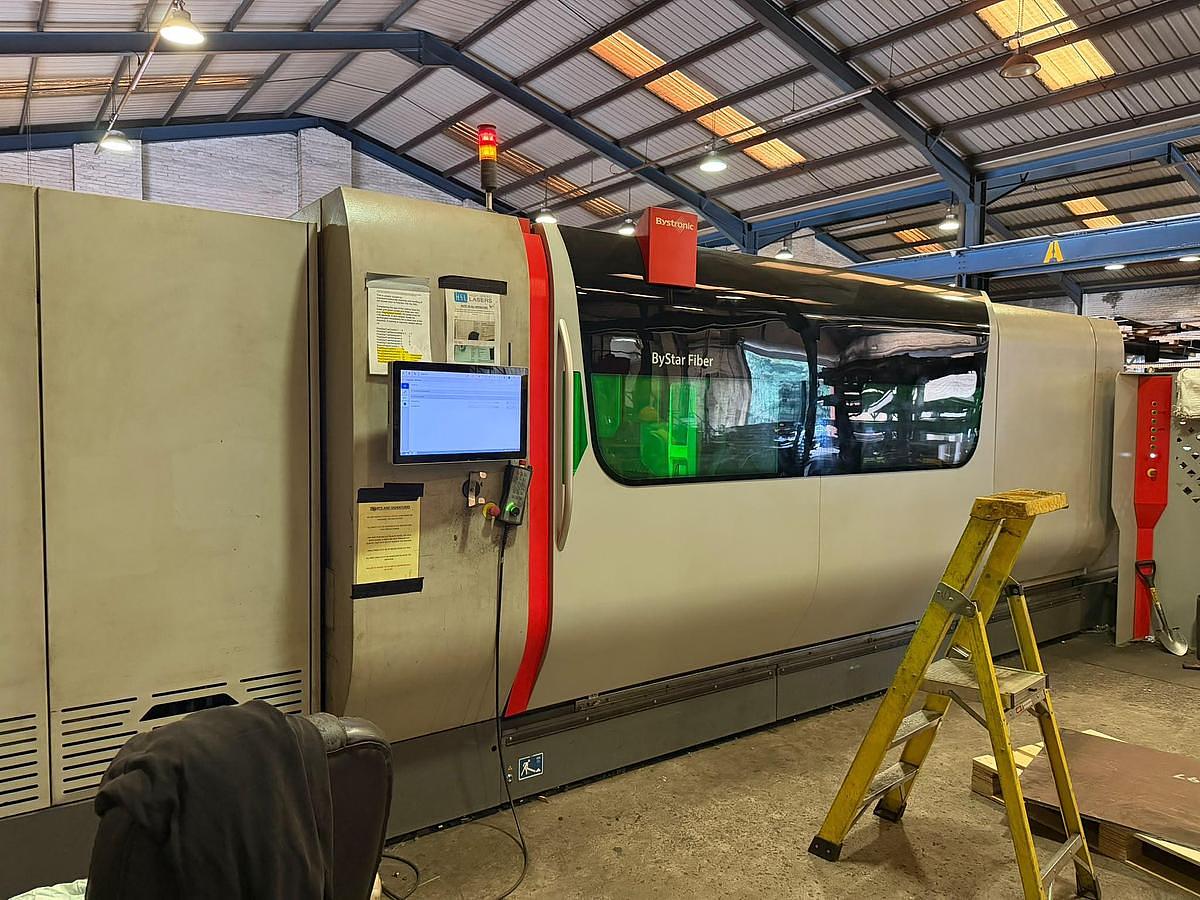
Laser cutting is used to produce everything from brackets and machine parts to panels, enclosures and decorative components. It can make precise shapes without a physical cutting tool touching the sheet, which makes it useful for both detailed designs and repeat production.
But “laser cutting machines” covers a range of technologies and configurations. The type of laser source, the material and thickness, the cutting gas, the machine’s work area and its automation all influence what it can do. Understanding these factors makes it easier to compare machines and assess whether one suits a particular production need.
How laser cutting works
A laser cutting machine directs a concentrated beam of light onto a workpiece. The beam heats a small area until the material melts or vaporises. Cutting gas flows through a nozzle alongside the beam, helping to clear material from the cut and influencing the resulting edge.
The narrow opening made by the cut is called the kerf. Its width and shape depend on the beam, the focus, the nozzle and the cutting parameters. The process is non-contact: the beam does the cutting without a blade or punch pressing against the sheet. TRUMPF’s overview of laser cutting explains the roles of the focused beam, nozzle and cutting gas.
That basic process applies to both CO₂ and fiber laser machines, but the two technologies differ in how the laser beam is generated and in the applications where they are commonly used.
CO₂ laser cutting machines
A CO₂ laser creates its beam using a gas mixture that includes carbon dioxide. The beam is directed through the machine’s optical system to the cutting head and workpiece.
CO₂ lasers have been used in industrial cutting for many years. In metalworking, they may be found in workshops that already have a CO₂-based production process, particular part requirements or existing equipment built around that technology. CO₂ lasers are also used to process some non-metallic materials, though the suitability of a specific machine depends on its configuration and the material.
When assessing a CO₂ machine, consider the materials and thicknesses it has been set up to cut, its cutting head and optics, the condition of its resonator and other key components, and the availability of service and spare parts. Check how its performance fits the actual work mix rather than assuming its age or laser power alone determines its usefulness.
Fused Machinery’s CO₂ laser machine listings show examples of machines in this category. Listings are useful for comparing configurations; the suitability of any particular machine depends on its specifications, condition and intended application.
Fiber laser cutting machines
A fiber laser generates its beam in an optical fiber and delivers it to the cutting head. Fiber machines are widely used for cutting metal, including steel, stainless steel and aluminium. They are available in a broad range of power ratings and bed sizes, from compact configurations to machines designed for larger sheets or higher-volume production.
The beam source is only one part of the system. Cutting head design, focus control, nozzle condition, machine dynamics and process settings all contribute to the result. A fiber machine’s performance can also vary by material and thickness, so a power rating should not be treated as a guarantee of a particular speed or edge quality.
When comparing fiber machines, look at the full configuration: cutting area, laser source and power, control system, cutting head, included software, material handling and any automation. Also consider whether the machine’s utilities and gas requirements suit the facility.
For reference, Fused Machinery’s fiber laser machine listings include examples with different power levels and configurations. These listings illustrate the range available, rather than recommending a specific machine for a particular job.
Choosing between CO₂ and fiber
There is no single answer that fits every workshop. Start by reviewing the parts you make and the materials you process most often:
- Material range: Identify the metals, alloys and thicknesses in your regular work, as well as any non-metallic materials.
- Edge requirements: Consider whether parts need a low-oxidation edge, minimal burr, a particular surface finish or little post-processing.
- Production mix: A machine used for frequent short runs may need different capabilities from one running long batches of similar parts.
- Sheet size and handling: Match the working area and loading method to the size and weight of your typical materials.
- Existing setup: Check available floor space, power, extraction, assist-gas supply, software and operator experience.
- Condition and support: For a used machine, review service history, operating hours where available, included equipment, software and support options.
A practical comparison uses representative parts from the workshop. Ask how each machine would process the materials and thicknesses that matter, and assess the cut quality and total process requirements—not just the laser source or headline power.
The role of cutting gas
Cutting gas helps remove molten material from the kerf, but the choice also affects oxidation, edge appearance, gas consumption and downstream work.
Oxygen is used in some cutting processes and contributes heat through an oxidation reaction. Nitrogen is often selected when avoiding oxidation on the cut edge is important. Compressed air may suit certain applications, depending on the machine, material, thickness and finish requirements. These options involve trade-offs, so the right choice depends on the part and what happens to it after cutting. Bystronic’s discussion of assist gases describes how material and secondary operations influence that decision.
It is useful to factor gas supply and consumption into machine planning. A machine that fits the material and quality requirements still needs a suitable gas system and the infrastructure to support it.
What affects cut quality?
Cut quality is the result of several interacting settings and machine conditions:
- Focus position: Affects how the beam’s energy is concentrated in the material.
- Cutting speed: If the speed is not appropriate for the material and thickness, the edge may become rough or develop burrs.
- Nozzle condition and alignment: The nozzle guides the gas flow around the beam; its condition can affect consistency.
- Gas type and pressure: Influence how the melt is cleared and how the edge reacts.
- Material consistency: Alloy, surface condition and thickness variation can affect the process.
- Machine condition: Optics, cutting head, motion system and maintenance all contribute to repeatability.
When a cut is unsatisfactory, increasing laser power is not automatically the solution. The cause may be a parameter mismatch, a worn or misaligned nozzle, unsuitable gas pressure or variation in the material. Looking at the whole process can help identify what needs attention.
Flat sheet, tube and automation
Laser cutting machines are not limited to flat sheet. Tube lasers are designed to process profiles and tubes, while loading systems, pallet changers and other automation can reduce manual handling or help keep production moving between jobs.
These options change how a machine fits into a production line. A shop comparing a standalone machine with an automated setup should consider the parts being made, expected production volume, available space and how material and finished parts will move through the workshop.
A practical way to compare machines
Before comparing models, write down the materials, thicknesses, part sizes and edge requirements that define your normal work. Then compare the machine configurations against those needs, including the laser source, work area, cutting head, controls, gas supply, material handling and condition.
A machine’s listed specifications provide a starting point, but the intended application matters just as much. The current Fused Machinery laser cutting machine listings include fiber and CO₂ machines, as well as tube lasers and laser automation. They offer a reference for the variety of machines and setups on the market.
Get in touch
